


8 Jul 2026
Can I Still Have a Drink? Alcohol and Medical Weight Loss Explained
All medical information is reviewed by our clinical partners at MedicOnline.

Dr. Jahan Khan, CMO @ MedicOnline
IMC 409788
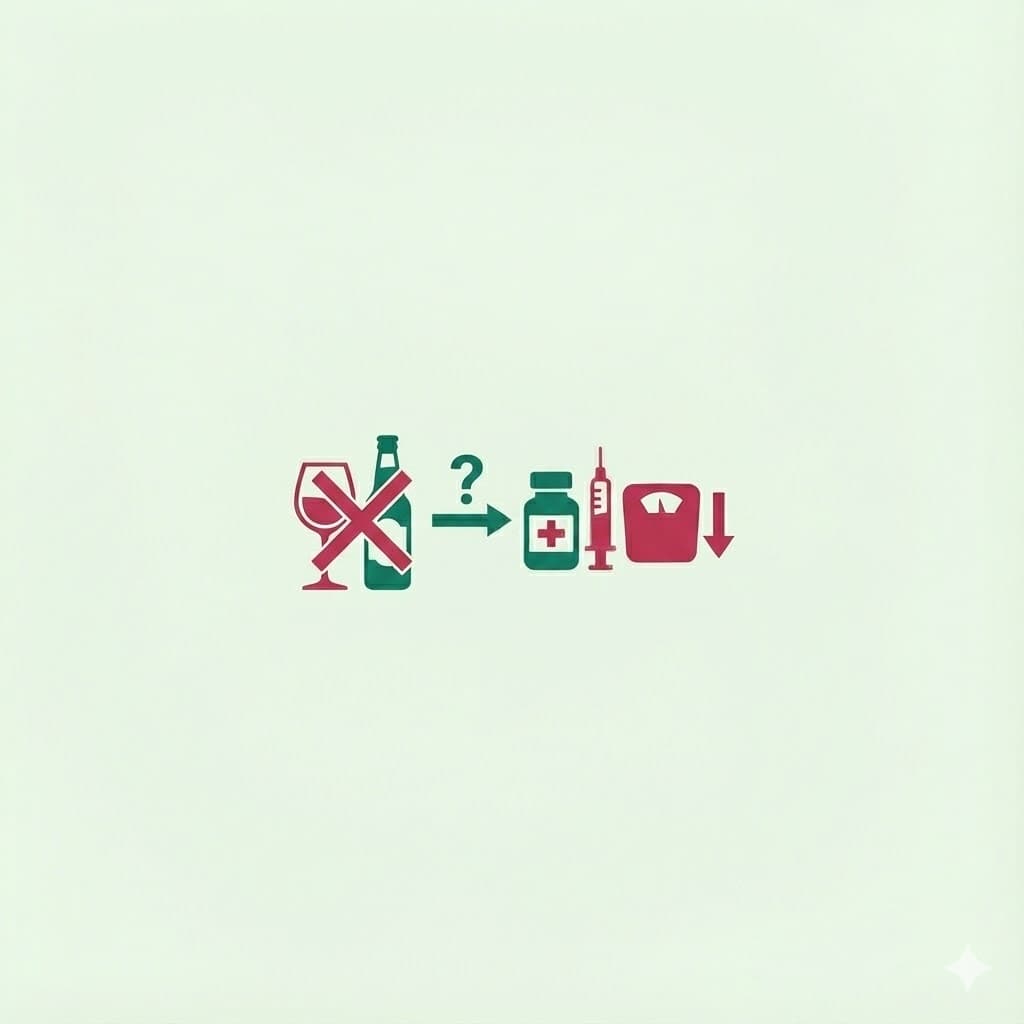
"If I start this treatment, is that the end of my social life?" This is one of the most common questions we hear from people considering medical weight loss, especially in Ireland where so much of our social life revolves around the pub, a wedding, or a work dinner.
The short answer is: Yes, you can still have a drink. You do not need to become a monk to lose weight.
But here is the important caveat: While you can still drink, your relationship with alcohol is likely to change when you are on medical weight loss treatment. Understanding why this happens—and how to navigate it—can make all the difference.
The "Empty Calorie" Trap
First, the practical reality: Alcohol contains calories, and often more than people realise. A standard pint of lager can have the same number of calories as a slice of pizza. A large glass of wine can be equivalent to a buttery croissant.
When you are on a medical weight loss plan, your appetite is reduced. You are eating less food overall. This means your "calorie budget" is smaller. If you fill that smaller budget with liquid calories from alcohol, you risk displacing the essential nutrition your body needs during weight loss—protein, fibre, vitamins, and minerals.
This does not mean you cannot have a drink. It means you need to be strategic about it. To learn more about building sustainable habits during treatment, see our post on why medication alone isn't a silver bullet.
How the Medication Changes Things
This is where it gets interesting. Medical weight loss treatments work by targeting the brain's reward centres. They reduce cravings for food. But many patients report it dampens the desire for alcohol too.
You might find you can nurse a single drink for an entire evening. Or you might simply not get the same "buzz" or satisfaction from it. This is often a welcome bonus—it makes it easier to decline that second or third drink without feeling like you are missing out.
However, this also means you need to be aware: If you do drink, your tolerance may feel different. The medication does not change how your body processes alcohol, but it can change how much you want it. This can be helpful, but it also means you need to be mindful of your limits.
The "Late Night" Danger
Here is the biggest risk with alcohol on treatment: It is not the drink itself, but what comes after. Alcohol lowers inhibitions. Even with medication helping to quieten your appetite, a few drinks can weaken your resolve. That late-night takeaway or raid on the kitchen cupboard becomes much harder to resist.
This is why many patients find it easier to either skip alcohol entirely on treatment, or to limit it to special occasions where they can plan ahead and make conscious choices about food.
Practical Tips for the Irish Social Scene
Navigating a night out on treatment is possible - it just takes a few tactical adjustments.
- Switch to 0.0%: Irish pubs have come a long way. Guinness 0.0 or Heineken 0.0 taste remarkably similar to the real thing, but with a fraction of the calories. You can still hold a pint, join the round, and feel part of the night without the empty calories or the late-night food cravings.
- Watch the Mixers: A gin and tonic sounds light, but tonic water is full of sugar. Switch to slimline tonic or soda water with fresh lime, and you can halve the calories while still enjoying the ritual of a drink.
- Pace Yourself: The "rounds" system is dangerous on treatment. If you are buying individually, drink at your own pace. If you are in a round, substitute every second drink for sparkling water. No one will notice, and you will stay hydrated while keeping calories in check.
Support That Fits Your Life
At Bua Health, we know that diet plans that ignore your social life are doomed to fail. That is why we have partnered with MedicOnline to deliver a programme that works with your real life, not against it.
MedicOnline's Irish-registered GPs manage your medication safety and prescribing. Bua's specialist dietitians help with the practical side of living—navigating weddings, work dinners, and quiet pints so you can achieve long-term weight loss without putting your life on hold.
We do not just give you a list of "forbidden" foods. We help you navigate real-life situations so you can build sustainable habits that last.
Ready to get started?
If you are looking for a weight management approach that fits your real life, we are here to help.
You can check your eligibility online in under 4 minutes. The clinical team at MedicOnline will review your assessment to see if a combined medical plan is right for you. To learn more about eligibility, see our post on medical weight management in Ireland: who is it actually for?
References
- Traversy G, Chaput JP. Alcohol Consumption and Obesity: An Update. Current Obesity Reports. 2015;4(1):122-130.
- Semaglutide reduces alcohol intake and relapse-like drinking in dependent rats. eBioMedicine. 2023.
- Health Service Executive. Calories in Alcohol. HSE.ie.
Related Blogs
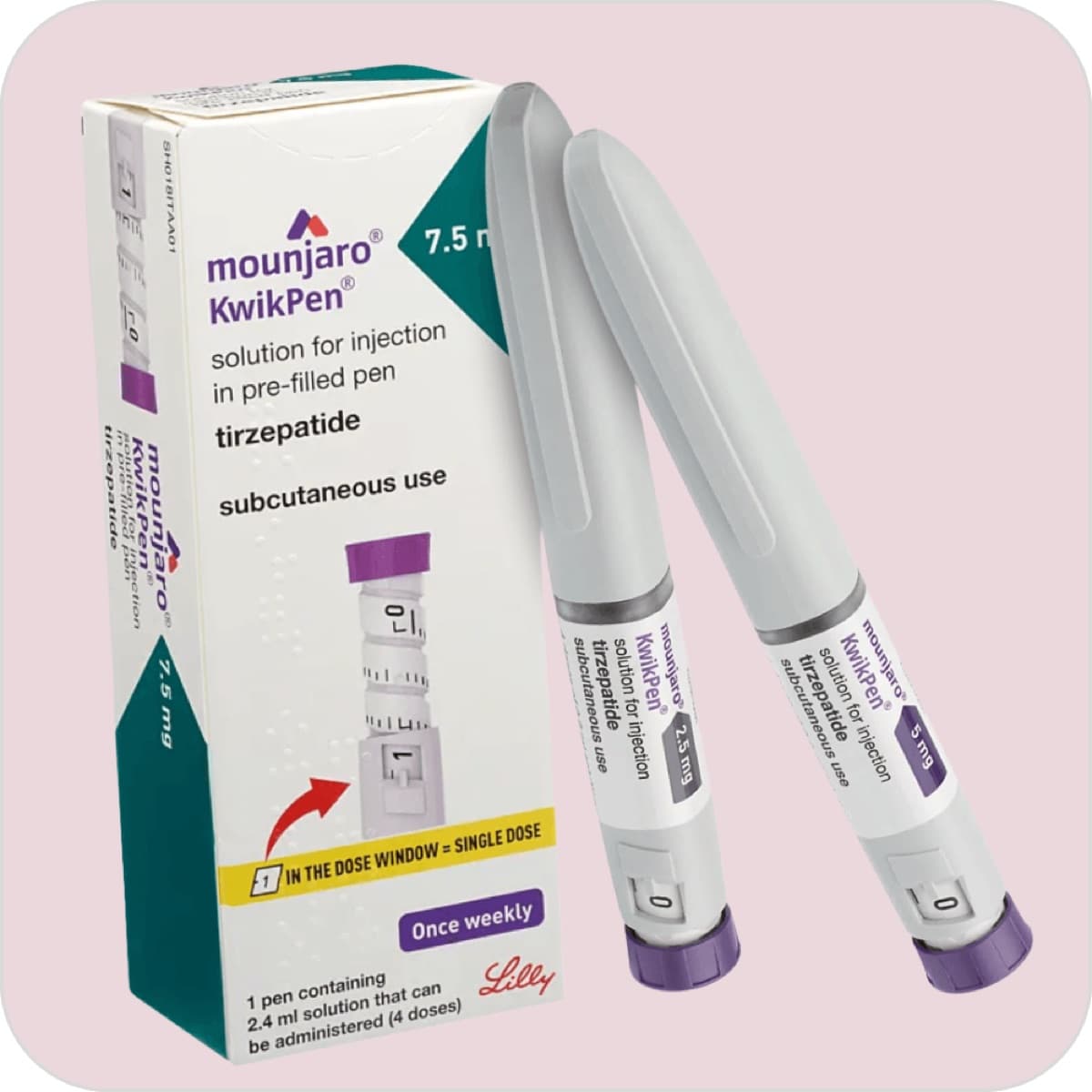
Who Qualifies for Mounjaro in Ireland?
An overview of the clinical criteria, safety checks, and medical assessment process doctors use to decide who is eligible for Mounjaro® (tirzepatide) in Ireland.
Read
What weight loss injections are available in Ireland?
A clear breakdown of the three main medical treatments for weight management in Ireland in 2025 and 2026
Read
Who can't take Mounjaro? Understanding the contraindications
A comprehensive guide to the absolute contraindications and other cautions that determine who cannot safely take Mounjaro® (tirzepatide) in Ireland.
ReadWho Qualifies for Mounjaro in Ireland?
An overview of the clinical criteria, safety checks, and medical assessment process doctors use to decide who is eligible for Mounjaro® (tirzepatide) in Ireland.
What weight loss injections are available in Ireland?
A clear breakdown of the three main medical treatments for weight management in Ireland in 2025 and 2026
Who can't take Mounjaro? Understanding the contraindications
A comprehensive guide to the absolute contraindications and other cautions that determine who cannot safely take Mounjaro® (tirzepatide) in Ireland.