



24 Apr 2026
Is Wegovy Safe? Side Effects, Risks and What Irish Patients Need to Know Before Starting
All medical information is reviewed by our clinical partners at MedicOnline.

Dr. Jahan Khan, CMO @ MedicOnline
IMC 409788
Wegovy has been one of the most talked-about medical developments in recent years, and for good reason. Since it became available in Ireland in March 2025, we've had countless patients at Bua Health asking us the same questions: Is it actually safe? What are the side effects really like? And what do I need to know before I start?
These are exactly the right questions to be asking. Wegovy is a clinically proven, EMA-approved medication for weight management - but like every prescription medicine, it carries risks alongside its benefits. The goal of this post isn't to alarm you; it's to give you an honest, balanced picture so that you can have an informed conversation with your clinician and make the best decision for your health.
Let's get into it.
First: What Does "Safe" Actually Mean?
When we talk about a medication being "safe," what we really mean is that its proven benefits outweigh its known risks in the right patients, under proper medical supervision. On that measure, Wegovy has a well-established safety profile backed by years of large-scale clinical trials - most notably the STEP programme.
Wegovy is approved for use in Europe by the European Medicines Agency (EMA) and is listed on the Irish national medicines register via the Health Products Regulatory Authority (HPRA). It is not an unregulated supplement or a shortcut - it is a prescription-only medication that requires a proper clinical assessment before starting.
That said, being safe does not mean being free of side effects. Here's what you actually need to know.
The Most Common Side Effects: What Most Patients Experience
The vast majority of side effects associated with Wegovy are gastrointestinal - meaning they relate to your stomach and digestive system. This is directly linked to how the medication works: semaglutide slows the rate at which your stomach empties, which helps you feel fuller for longer but can also cause some digestive discomfort, particularly in the early weeks.
The most commonly reported side effects are nausea, diarrhoea, vomiting, constipation and abdominal discomfort. In the STEP clinical trials, nausea was the most frequently reported symptom, particularly during dose escalation.
The good news is that for the majority of people, these symptoms are temporary. They tend to peak during the first few weeks at a new dose and ease considerably as your body adjusts.
Other common but less frequently reported side effects include headaches, fatigue, dizziness, heartburn, belching and bloating. Injection site reactions - such as mild redness or irritation at the site of the injection - affect a small number of patients and are often managed by rotating your injection site each week between the abdomen, thigh, and upper arm.
Practical tip: Small changes to how you eat can make a significant difference to GI side effects.
Clinical guidance suggests eating smaller, more frequent meals; avoiding greasy, heavy, or spicy foods; and stopping eating as soon as you feel full.
Serious but Less Common Risks
While the majority of side effects are mild to moderate, there are several more serious risks that every patient should understand before starting. These are rare - but they are real, and they are the reason that Wegovy should always be taken under proper medical supervision.
- Pancreatitis: Inflammation of the pancreas has been reported. Watch for persistent, severe abdominal pain that radiates to the back, often with nausea or vomiting.
- Gallstones and gallbladder disease: Rapid weight loss can increase risk. Symptoms include sudden intense upper-right abdominal pain, often after fatty food, sometimes with nausea or fever.
- Thyroid concerns: Wegovy carries a black box warning around MTC. It is contraindicated in patients with personal or family history of MTC or MEN 2.
- Acute kidney injury: Severe vomiting or diarrhoea can cause dehydration and contribute to kidney injury in rare cases.
- Eye health: Emerging data suggests a possible association with NAION. See JAMA Ophthalmology coverage on semaglutide and optic neuropathy.
Who Should NOT Take Wegovy
Wegovy is not suitable for everyone. The following is not an exhaustive list - a full medical assessment is essential - but these are key contraindications and cautions:
- Personal or family history of medullary thyroid carcinoma (MTC) or MEN 2
- Serious allergic reaction to semaglutide or any ingredient in the medication
- History of pancreatitis or significant gallbladder disease
- Pregnancy (stop at least two months before planning to conceive)
- Concurrent use with another GLP-1 medicine (e.g. Ozempic, Saxenda, Mounjaro)
If you are taking insulin or sulfonylureas, your treatment plan may need adjustment due to hypoglycaemia risk. If you are scheduled for surgery or deep sedation, your surgical team must know you are on Wegovy because delayed gastric emptying can increase aspiration risk.
What About Mental Health?
Regulators reviewed potential links between GLP-1 medications and suicidal ideation/self-harm. Current findings have been broadly reassuring, with large analyses not showing elevated rates of suicidal ideation, depression, anxiety, or psychosis in GLP-1 users.
As always, if you notice any mental health changes while on treatment, speak to your clinician promptly.
The Importance of Medical Supervision
One of the most important points for Irish patients is that Wegovy is not a medication to be sourced casually online or taken without ongoing clinical oversight. The HPRA has issued warnings about unlicensed or counterfeit semaglutide products sold through unregulated online channels.
When you start Wegovy through a reputable clinic, you receive a full medical assessment, personalised dosing plan, and regular check-ins so side effects are caught and managed early. The dose escalation schedule (0.25mg up to 2.4mg over 16 weeks) exists to improve tolerability and safety.
The Bottom Line
Is Wegovy safe? For the right patients, under proper medical supervision, yes. It has a thoroughly studied safety profile and can deliver meaningful benefits for weight management and cardiometabolic health.
Like any prescription medication, it also carries risks that need to be understood and managed, which is why it requires clinical assessment and ongoing monitoring.
At Bua Health, we take a thorough, personalised approach to every patient assessment. If you're considering Wegovy and want to understand whether it's right for you, our clinical partners are here to guide you.
Ready to get started with Bua?
With Bua, you're supported by a specialist, doctor-led weight management service from day one. Here's how the process works:
Complete a 2 minute online assessment with your BMI, medical history, medications, and key health details.
Our clinical partners review your submission quickly and invite eligible patients to a remote GP consultation.
Start ongoing support from your care team, including monthly clinical check-ins, unlimited GP support and dietitian guidance.
Frequently Asked Questions
Related reading: Do I Qualify for Wegovy in Ireland? and The Wegovy Pill in Ireland.
References
- 1. Novo Nordisk prescribing information: wegovy.pdf
- 2. STEP 1 trial (NEJM): Once-Weekly Semaglutide in Adults with Overweight or Obesity
- 3. HPRA and EMA public safety/authorisation updates.
- 4. JAMA Ophthalmology publications on semaglutide and NAION risk.
- 5. SELECT cardiovascular outcomes trial (NEJM): Semaglutide and Cardiovascular Outcomes in Obesity without Diabetes
Related Blogs
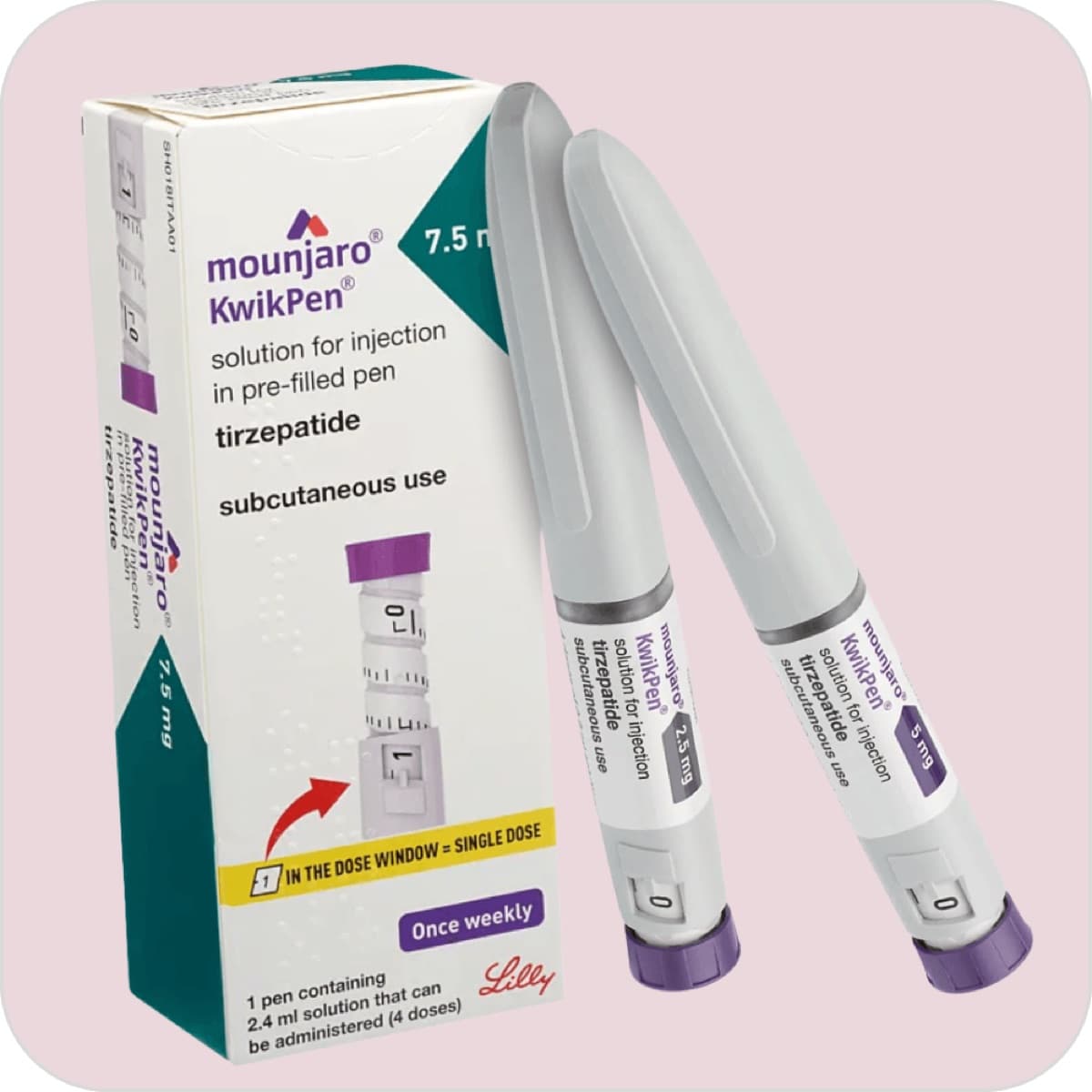
Who Qualifies for Mounjaro in Ireland?
An overview of the clinical criteria, safety checks, and medical assessment process doctors use to decide who is eligible for Mounjaro® (tirzepatide) in Ireland.
Read
What weight loss injections are available in Ireland?
A clear breakdown of the three main medical treatments for weight management in Ireland in 2025 and 2026
Read
Who can't take Mounjaro? Understanding the contraindications
A comprehensive guide to the absolute contraindications and other cautions that determine who cannot safely take Mounjaro® (tirzepatide) in Ireland.
ReadWho Qualifies for Mounjaro in Ireland?
An overview of the clinical criteria, safety checks, and medical assessment process doctors use to decide who is eligible for Mounjaro® (tirzepatide) in Ireland.
What weight loss injections are available in Ireland?
A clear breakdown of the three main medical treatments for weight management in Ireland in 2025 and 2026
Who can't take Mounjaro? Understanding the contraindications
A comprehensive guide to the absolute contraindications and other cautions that determine who cannot safely take Mounjaro® (tirzepatide) in Ireland.