



25 Jun 2026
Mounjaro Side Effects in Ireland: What to Expect and How to Manage Them
All medical information is reviewed by our clinical partners at MedicOnline.

Dr. Jahan Khan, CMO @ MedicOnline
IMC 409788
If you are starting Mounjaro or thinking about it, side effects are probably one of your biggest concerns. That is completely understandable. Knowing what to expect, what is normal, and what needs medical attention can make the difference between a difficult first few weeks and a manageable transition.
This guide covers the most commonly reported side effects of Mounjaro (tirzepatide) in Ireland, explains how they typically change as your body adjusts, and offers practical strategies to reduce discomfort. It is based on clinical trial data, the approved product information, and the experience of our clinical team.
The key message upfront: most Mounjaro side effects are mild to moderate, concentrated in the early weeks of treatment or after a dose increase, and tend to improve as your body adapts. In the SURMOUNT-1 clinical trial, only around 4-7% of participants discontinued treatment due to side effects.
Why Side Effects Happen
Mounjaro works by mimicking two natural gut hormones: GLP-1 and GIP. These hormones slow down how quickly food moves through your stomach, reduce appetite, and change how your brain processes hunger signals.
Most side effects are a direct consequence of this mechanism. When your digestive system suddenly starts working at a different pace, it needs time to adjust. The side effects are not a sign that something is wrong. In most cases, they are a sign that the medication is doing what it is designed to do.
That said, some side effects do require medical attention. We will clearly distinguish between what is expected and what is not throughout this guide.
The Most Common Side Effects
Based on clinical trial data and the Summary of Product Characteristics (SmPC) for Mounjaro, these are the side effects most frequently reported by patients. "Very common" means they may affect more than 1 in 10 people. "Common" means they may affect up to 1 in 10.
Nausea (very common)
Nausea is the most frequently reported side effect of Mounjaro. It is most likely to occur when you first start treatment or when your dose is increased. For most people, it is mild and settles within a few days to two weeks at each dose level.
What helps:
- Eat smaller meals more frequently rather than two or three large ones
- Avoid fatty, greasy, or heavily spiced foods, particularly in the first week at a new dose
- Eat slowly and stop before you feel completely full
- Cold or room-temperature foods are often easier to tolerate than hot meals. Plain crackers, toast, yoghurt, or chilled soup can work well
- Stay hydrated with small, frequent sips of water throughout the day rather than drinking large amounts at once
- Some patients find ginger tea or flat ginger ale helpful
- Try to time your injection day so that the first 24-48 hours fall on days when you can take things easy
If nausea is persistent or severe enough that you cannot eat or drink for more than 24 hours, contact your doctor. This is not typical and may require a dose adjustment or additional support.
Diarrhoea (very common)
Changes in bowel habits are common during the early weeks. Diarrhoea tends to be most noticeable in the first one to two weeks after starting or increasing a dose, and usually resolves without intervention.
What helps:
- Stay well hydrated. Dioralyte or similar oral rehydration sachets (available from any Irish pharmacy without prescription) can help replace lost electrolytes
- Avoid caffeine and alcohol, both of which can worsen diarrhoea
- Reduce high-fibre foods temporarily if symptoms are significant, then gradually reintroduce them as things settle
- Plain, easily digestible foods such as rice, banana, toast, and boiled potatoes tend to be well tolerated
If you experience diarrhoea that lasts more than a few days, is severe, or is accompanied by blood, contact your doctor.
Constipation (very common)
Constipation is one of the more persistent side effects for some patients. Because Mounjaro slows gastric emptying, food moves through your digestive system more slowly, which can result in harder, less frequent stools.
What helps:
- Increase your water intake. Aim for at least 1.5-2 litres per day
- Include fibre-rich foods gradually: porridge, wholemeal bread, vegetables, fruit with skin on, and legumes (lentils, chickpeas, beans)
- Gentle movement helps. A daily walk of 20-30 minutes can make a real difference
- A small cup of coffee in the morning can act as a natural stimulant
- If dietary changes are not enough, speak to your pharmacist about an over-the-counter option such as Laxido (macrogol), which is widely available in Ireland
If constipation is severe, causing significant pain, or lasts more than a week despite these measures, speak to your doctor or pharmacist.
Vomiting (common)
Vomiting is less frequent than nausea but can occur, especially in the early days of treatment or after dose escalation. It is usually short-lived.
What helps:
- If you feel nauseous, sit upright rather than lying down
- Avoid eating until the nausea passes, then start with small amounts of bland food
- Sip water or flat lemonade in small amounts
- If you vomit shortly after injecting, do not take another dose. Your next dose should be at the usual scheduled time
If you are vomiting repeatedly and cannot keep fluids down for more than 24 hours, seek medical advice. Dehydration is the main concern here.
Reduced Appetite (very common)
A significant reduction in appetite is one of the intended effects of Mounjaro, but it can feel surprising in the early weeks. Some patients describe feeling no interest in food at all, or feeling full after just a few bites.
Why this matters: While reduced appetite supports weight loss, eating too little can mean you are not getting enough protein, vitamins, and minerals. This is especially important for preserving muscle mass during weight loss.
What helps:
- Even when you are not hungry, try to eat regular small meals or snacks that prioritise protein (eggs, Greek yoghurt, chicken, fish, beans, lentils)
- Think of eating as a scheduled activity rather than something driven purely by hunger
- If you are finding it difficult to eat enough, speak to your Bua Health dietitian. This is exactly the kind of situation our included dietitian support is designed for
For a deeper look at the role of protein during medical weight loss, see our guide to why protein is the most important nutrient during treatment.
Stomach Pain or Discomfort (common)
A dull ache or feeling of fullness in the upper abdomen is reported by some patients, particularly in the first few weeks. This is usually related to slower gastric emptying and tends to ease as your body adjusts.
What helps:
- Smaller meals reduce the pressure on your stomach
- Avoid lying down immediately after eating
- Peppermint tea can help ease mild discomfort
When to be concerned: Severe abdominal pain, especially pain that radiates to your back and is accompanied by nausea or vomiting, could indicate pancreatitis. This is rare but serious. If you experience this type of pain, seek urgent medical attention and do not take your next dose until you have spoken to a doctor.
Heartburn and Reflux (common)
Some patients experience acid reflux or a burning sensation in the chest, particularly after eating. Slower digestion means food sits in the stomach longer, which can push stomach acid upward.
What helps:
- Avoid eating within two to three hours of going to bed
- Prop yourself up slightly when sleeping if reflux is worse at night
- Avoid trigger foods: citrus, tomatoes, chocolate, mint, and carbonated drinks are common culprits
- Speak to your pharmacist about an over-the-counter antacid if symptoms are persistent
Burping and Bloating (common)
Increased burping, including what some patients describe as "sulphur burps" (burps with an eggy or sulphurous taste), is a commonly discussed side effect. It is not always listed prominently in clinical trial summaries but is frequently reported in patient experience.
This is related to the slower movement of food through your digestive system. Gases build up as food sits in the stomach and small intestine for longer than usual.
What helps:
- Eat slowly and chew thoroughly
- Avoid carbonated drinks, chewing gum, and drinking through straws, all of which introduce extra air
- Smaller, more frequent meals reduce the volume sitting in your stomach at any time
- Some patients find that reducing high-fat and high-sugar foods helps
Sulphur burps are unpleasant but not medically concerning. They typically improve as your body adjusts to the medication.
Fatigue (common)
Some patients report feeling unusually tired, particularly during the first few weeks of treatment. This can be related to reduced calorie intake, changes in blood sugar regulation, or simply your body adjusting to the medication.
What helps:
- Make sure you are eating enough. Severe calorie restriction combined with Mounjaro can make fatigue worse
- Stay hydrated
- Prioritise sleep
- Gentle exercise, even a short walk, can help with energy levels
If fatigue is severe or persistent, speak to your doctor. In some cases, blood tests may be helpful to rule out other causes.
Less Common but Important Side Effects
The following are less frequently reported but worth being aware of.
Hair Thinning
Some patients notice increased hair shedding during significant weight loss, whether on Mounjaro or not. This is a condition called telogen effluvium. It is related to the stress of rapid body composition changes and is usually temporary, resolving once weight stabilises.
If you notice significant hair thinning, mention it to your doctor. Ensuring adequate protein and micronutrient intake (iron, zinc, biotin) can help support hair health during treatment.
Injection Site Reactions
Mild redness, itching, or bruising at the injection site is occasionally reported. Rotating your injection site (between the abdomen, thigh, and upper arm) can help minimise this.
If you experience a severe reaction at the injection site (significant swelling, warmth, or a rash that spreads), contact your doctor.
Changes in Taste
Some patients report that certain foods taste different during treatment. This is usually mild and temporary.
When to Seek Urgent Medical Attention
Most side effects are manageable and settle over time. However, you should contact your doctor or seek urgent medical attention if you experience any of the following:
- Severe abdominal pain, especially if it radiates to your back (possible pancreatitis)
- Persistent vomiting where you cannot keep fluids down for more than 24 hours
- Signs of a severe allergic reaction: difficulty breathing, rapid swelling of the lips, tongue, or throat, rapid heartbeat
- Signs of dehydration: dark urine, dizziness, confusion, very dry mouth
- Symptoms of low blood sugar (hypoglycaemia), particularly if you are also taking insulin or a sulphonylurea for diabetes: shakiness, sweating, confusion, fast heartbeat
These are rare, but they require prompt attention. If in doubt, do not wait. Contact your Bua Health clinical team, your GP, or attend your nearest emergency department.
How Side Effects Typically Change Over Time
Understanding that side effects follow a pattern can make the early weeks less stressful.
Weeks 1-2 (Starting dose: 2.5mg)
The starting dose is deliberately low. Most side effects at this stage are mild. Nausea, if present, is usually the most noticeable. Some patients experience no side effects at all on the starting dose. Your appetite will likely begin to decrease.
Weeks 3-4 (Still on 2.5mg or moving to 5mg)
If you are still on 2.5mg, your body has usually adjusted by now and initial side effects have eased. If your dose has been increased to 5mg, you may experience a brief return of nausea or digestive changes for a few days. This typically follows the same pattern as the first few weeks and settles again.
Months 2-3 (Dose escalation continues)
Each dose increase may bring a short period of adjustment, usually milder than the initial start. By this stage, most patients have developed a routine around eating, hydration, and managing any residual symptoms. The digestive side effects that were most noticeable in the first month have usually settled significantly.
Months 4+ (Approaching maintenance dose)
Most patients who reach their maintenance dose report that side effects are minimal or have resolved entirely. Constipation and occasional reflux may persist for some people but are generally manageable with the dietary strategies described above.
The important principle throughout: side effects are almost always worst during the first couple of weeks at a new dose, and then they settle. Each dose increase may bring a brief recurrence, but the pattern is predictable and manageable.
A Note on Individual Variation
Everyone responds differently to Mounjaro. Some patients experience very few side effects at any dose. Others find the first month challenging but see symptoms ease significantly after that. A small number of people may find certain side effects persistent enough to warrant a conversation with their doctor about adjusting the dose or the pace of dose escalation.
There is no "correct" experience. What matters is that your treatment is monitored by a qualified doctor who can adjust your plan based on how you respond.
At Bua Health, our clinical partners at MedicOnline review every patient's progress and are available for ongoing support. If side effects are affecting your quality of life, the right response is not to push through in silence. It is to talk to your clinical team so they can help.
What This Means for You
Side effects are a normal part of starting Mounjaro, and for the vast majority of patients, they are temporary and manageable. Understanding what to expect and having practical strategies to manage symptoms makes the early weeks significantly easier.
If you are considering Mounjaro and want to understand whether it might be suitable for you, you can check your eligibility online in under 4 minutes. Our clinical partners at MedicOnline will review your assessment and, if appropriate, build a treatment plan that includes ongoing monitoring and support throughout your journey.
Calculate your BMI to see where your weight loss journey could take you.
Am I eligible for weight loss treatment?
Calculate your BMI to see where your weight loss journey could take you

References
- Jastreboff, A. M., et al. (2022). Tirzepatide Once Weekly for the Treatment of Obesity (SURMOUNT-1). New England Journal of Medicine, 387(3), 205-216.
- European Medicines Agency (EMA). Mounjaro (Tirzepatide): EPAR.
- medicines.ie. Mounjaro patient information.
- Eli Lilly and Company. Mounjaro KwikPen Patient Information Leaflet.
Related Blogs
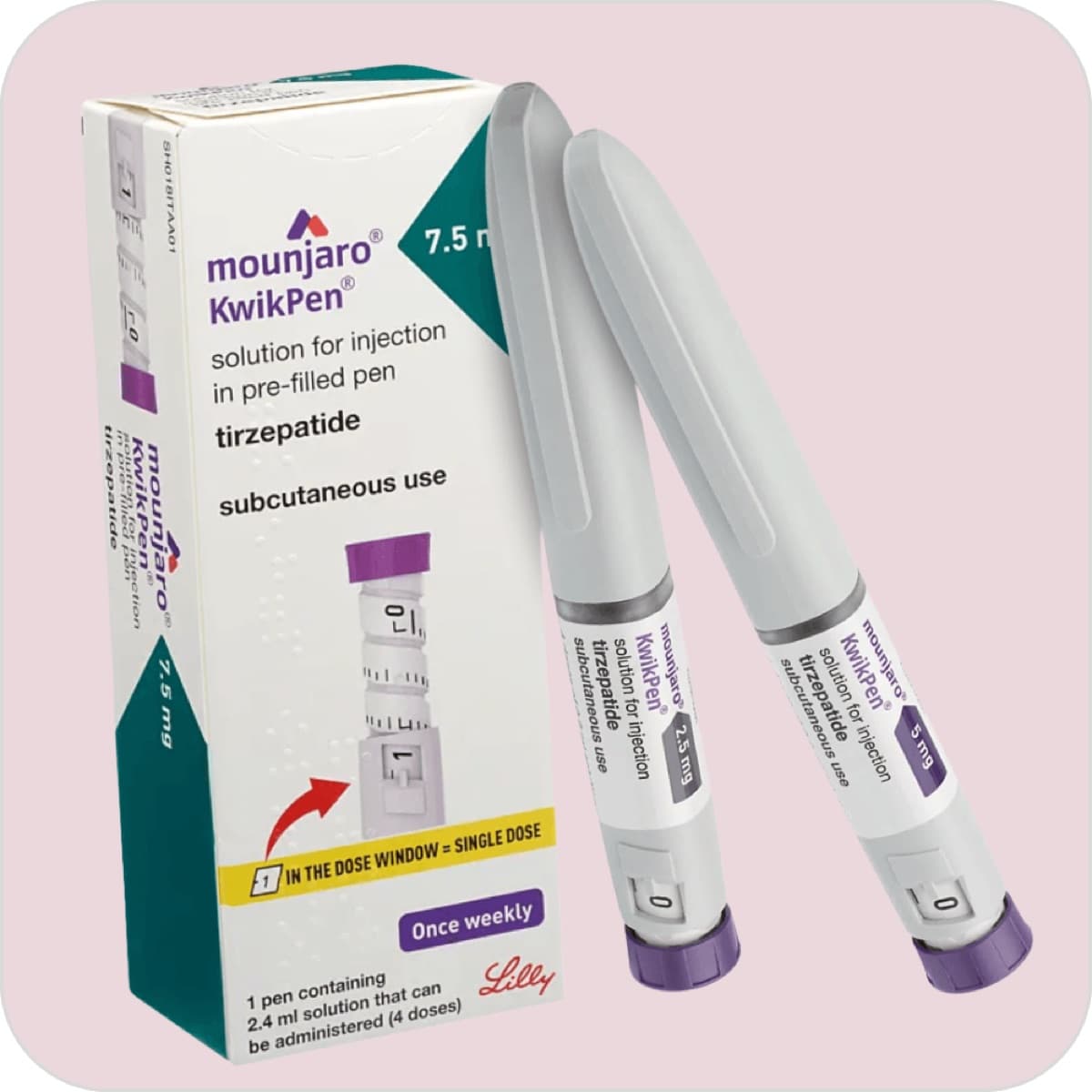
Who Qualifies for Mounjaro in Ireland?
An overview of the clinical criteria, safety checks, and medical assessment process doctors use to decide who is eligible for Mounjaro® (tirzepatide) in Ireland.
Read
What weight loss injections are available in Ireland?
A clear breakdown of the three main medical treatments for weight management in Ireland in 2025 and 2026
Read
Who can't take Mounjaro? Understanding the contraindications
A comprehensive guide to the absolute contraindications and other cautions that determine who cannot safely take Mounjaro® (tirzepatide) in Ireland.
ReadWho Qualifies for Mounjaro in Ireland?
An overview of the clinical criteria, safety checks, and medical assessment process doctors use to decide who is eligible for Mounjaro® (tirzepatide) in Ireland.
What weight loss injections are available in Ireland?
A clear breakdown of the three main medical treatments for weight management in Ireland in 2025 and 2026
Who can't take Mounjaro? Understanding the contraindications
A comprehensive guide to the absolute contraindications and other cautions that determine who cannot safely take Mounjaro® (tirzepatide) in Ireland.