


30 Apr 2026
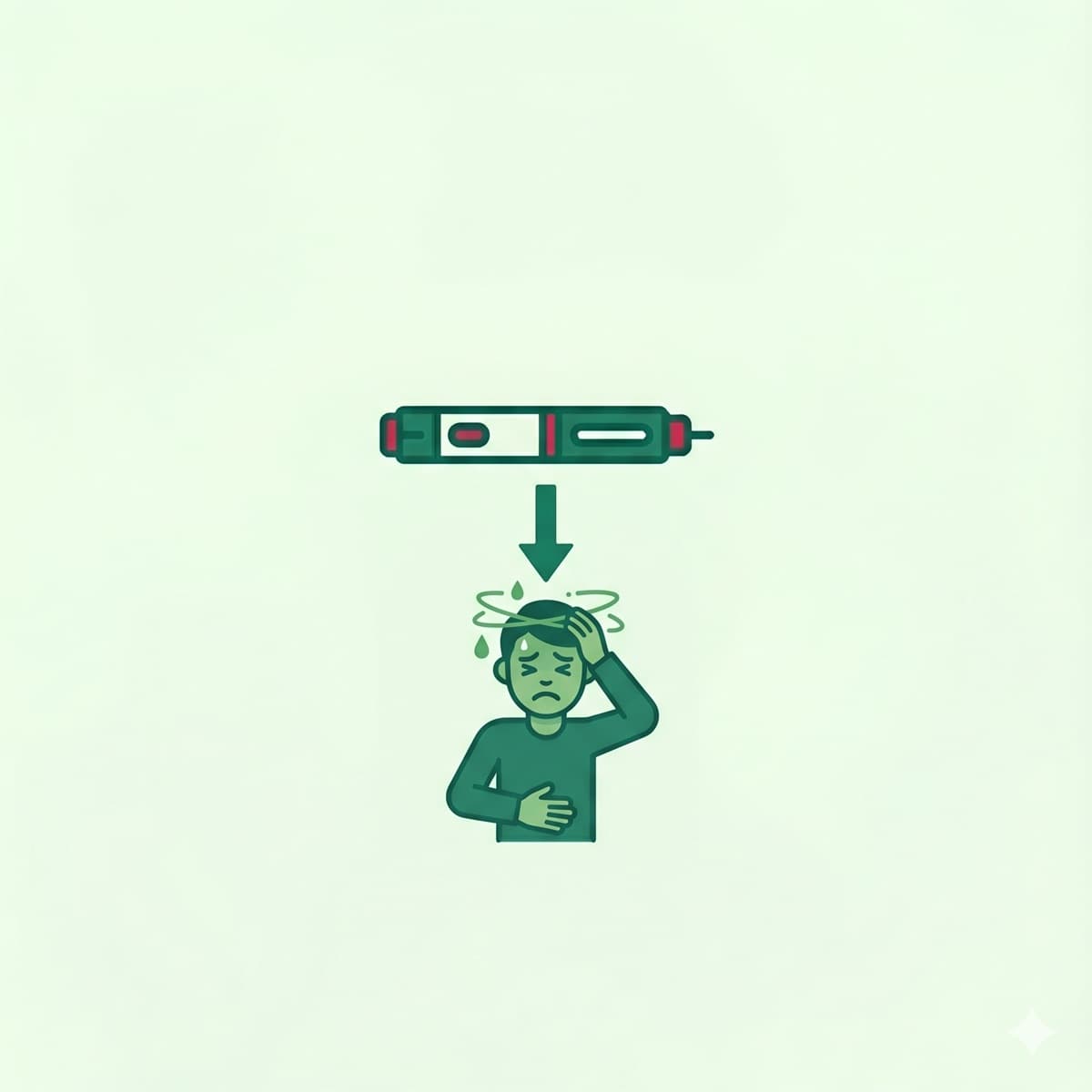
Mounjaro Side Effects (2026)
What to Expect Each Week, What's Normal and When to Call Your Doctor
All medical information is reviewed by our clinical partners at MedicOnline.

Dr. Jahan Khan, CMO @ MedicOnline
IMC 409788
The most common reason people stop Mounjaro early is not that it stops working - it is that side effects in the first few weeks catch them off guard. Knowing exactly what to expect, and when, makes all the difference.
Mounjaro (tirzepatide) is one of the most effective weight management medications available in Ireland in 2026 - but like all GLP-1 class medications, it comes with a side effect profile that is most intense during the early weeks of treatment. The good news is that these effects follow a predictable pattern, are manageable for the vast majority of people, and for most patients, settle significantly by weeks 8 to 12.
If you are still deciding between treatments, see our full comparison: Wegovy vs Mounjaro in Ireland.
This guide is built on data from the SURMOUNT-1 trial (Jastreboff et al., NEJM, 2022) - the landmark Phase 3 study of tirzepatide in 2,539 adults with obesity over 72 weeks - alongside the EMA Summary of Product Characteristics for Mounjaro and published safety reviews.
Important note: This article is for informational purposes only and does not replace personalised medical advice. Always discuss side effects with your prescribing doctor before changing treatment. If you experience any red-flag symptoms listed below, seek medical attention promptly.
Why Mounjaro Causes Side Effects
Mounjaro works by activating two hormone receptors simultaneously - GLP-1 and GIP - which are naturally produced in the gut after eating. This dual mechanism is part of why tirzepatide delivers stronger average weight-loss outcomes than older classes, but it also means the body is adapting to larger hormonal signalling shifts.
Most common side effects are linked to slowed gastric emptying: food moves through the stomach more slowly, which supports satiety and weight loss but can also trigger nausea, fullness, and digestive change early on.
Dose escalation (starting at 2.5 mg and stepping up every four weeks) exists to improve tolerability. The 2.5 mg phase is designed for adjustment, not full treatment effect.
The Week-by-Week Timeline
Most people find this easier when viewed as phases: start, first increase, escalation, then maintenance.
📅 Weeks 1-4 (2.5 mg): Getting acquainted
What to expect: mild nausea (~10-15%), injection site reactions (~20%), reduced appetite, mild fatigue.
What is usually normal: low-grade unsettled stomach, brief injection-site redness/swelling, early fullness, and appetite drop.
📅 Weeks 5-8 (5 mg): Peak adjustment phase
What to expect: GI symptoms are often most noticeable here: nausea (~20-25%), diarrhoea (~12-19%), constipation (~11-17%), occasional vomiting (~5-9%).
Pattern: symptoms often peak 24-72 hours after dose increase, then settle over 1-2 weeks.
Call your doctor: vomiting lasting >24 hours or inability to keep fluids down.
📅 Weeks 9-20 (7.5 mg to 15 mg): Repeat, then settle
What to expect: temporary flare-ups after each increase, with better baseline comfort between increases (often noticeable by weeks 8-12).
Common extras: reflux, burping, strong fullness; occasional hair thinning during rapid weight-loss phases.
📅 Week 20 onward: Maintenance phase
What to expect: GI symptoms usually improve substantially once escalation is complete; appetite suppression remains stable.
Typical outcome: continued progress is common, with many patients finding this the most manageable phase.
Practical tip:
Eat smaller meals, avoid greasy/spicy food, stay upright after eating, and keep hydration high. If symptoms are severe, speak with your doctor before making dose decisions.
For eligibility criteria and prescribing context in Ireland, read: Who Qualifies for Mounjaro in Ireland?.
Side Effects at a Glance: Trial Data
Figures below reflect SURMOUNT-1 and pooled safety analyses across tirzepatide trials.
Nausea
Approximate frequency: 25-29%
Typical peak timing: First month; each dose increase
Diarrhoea
Approximate frequency: 19-23%
Typical peak timing: First 8 weeks; escalation
Constipation
Approximate frequency: 11-17%
Typical peak timing: Throughout escalation
Vomiting
Approximate frequency: 8-13%
Typical peak timing: First month; each increase
Injection-site reactions
Approximate frequency: ~20%
Typical peak timing: Usually resolves within 72 hours
Discontinuation due to AEs
Approximate frequency: 4.3-7.1% (vs 2.6% placebo)
Typical peak timing: Mostly first 20 weeks
Managing Common Side Effects: Practical Tips
For nausea: smaller meals, avoid heavy/spicy foods, slower eating, ginger/plain crackers, upright posture after meals, hydration.
For constipation: gradually increase fibre, target 1.5-2L fluids daily, regular walking, short-term laxatives only with guidance.
For diarrhoea: avoid high-fat foods and excess caffeine, replace fluids/electrolytes, use plain foods, seek review if persistent.
For injection reactions: rotate sites weekly, inject at room temperature, clean skin beforehand; mild reactions usually settle quickly.
Rare but Serious Side Effects
Pancreatitis: rare but serious; persistent severe abdominal pain (especially radiating to back) requires urgent review.
Gallbladder disease: rapid loss itself raises risk; severe upper abdominal pain (especially after fatty meals), nausea, or fever should be assessed.
Thyroid warning (MTC/MEN2): based on rodent findings; Mounjaro is contraindicated in patients with personal/family MTC or MEN2 history.
Kidney risk through dehydration: severe vomiting/diarrhoea can lead to AKI, especially in pre-existing kidney disease.
Oral contraceptive interaction: delayed gastric emptying may reduce absorption; discuss backup/barrier contraception strategy with your prescriber after initiation and dose steps.
When to Call Your Doctor - and When to Call 999
Call 999 / seek urgent care for:
- Severe abdominal pain, especially radiating to the back
- Yellowing skin/eyes
- Severe allergic reaction signs (facial/throat swelling, breathing difficulty)
- Sudden one-eye vision change
- New neck lump/swelling, swallowing difficulty, persistent hoarseness
Contact your doctor within 24 hours for: persistent vomiting, dehydration signs, severe diarrhoea over 48 hours, or injection-site reactions not settling by 72 hours.
Usually normal (mention at check-in): mild nausea after injection/dose increase, brief bowel changes during escalation, mild fatigue early on, brief site tenderness, rapid satiety, reflux/burping.
The Importance of Clinical Support During Treatment
SURMOUNT-1 included regular lifestyle counselling throughout the 72-week period. That was not incidental - structured support is part of how treatment is intended to be used.
Real-world experience mirrors trial logic: patients with consistent clinical oversight during escalation are more likely to manage side effects successfully, less likely to discontinue early, and more likely to sustain meaningful outcomes.
This is especially important in weeks 5-12, when side effects often peak and stopping feels tempting. Many patients who stop in this period may have improved significantly with an additional 2-4 weeks plus support.
Ready to get started with Bua?
With Bua, you're supported by a specialist, doctor-led weight management service from day one. Here's how the process works:
Complete our secure online assessment to share your medical history and goals.
Have your case reviewed by an IMC-registered doctor from our clinical partners at MedicOnline.
Agree a personalised treatment plan with ongoing clinical support and monitoring built in from day one.
Frequently Asked Questions
Related reading: Who qualifies for Mounjaro in Ireland? and Who can't take Mounjaro?.
Sources and References
- 1. SURMOUNT-1 (NEJM 2022): Tirzepatide Once Weekly for the Treatment of Obesity
- 2. EMA Mounjaro SmPC: ema.europa.eu/.../mounjaro
- 3. Tirzepatide safety review (PMC): PMC9915969
- 4. Expert Opinion Pharmacotherapy 2024: Expert review publication
- 5. SURMOUNT-5 (NEJM 2025): Tirzepatide vs Semaglutide publication
Related Blogs
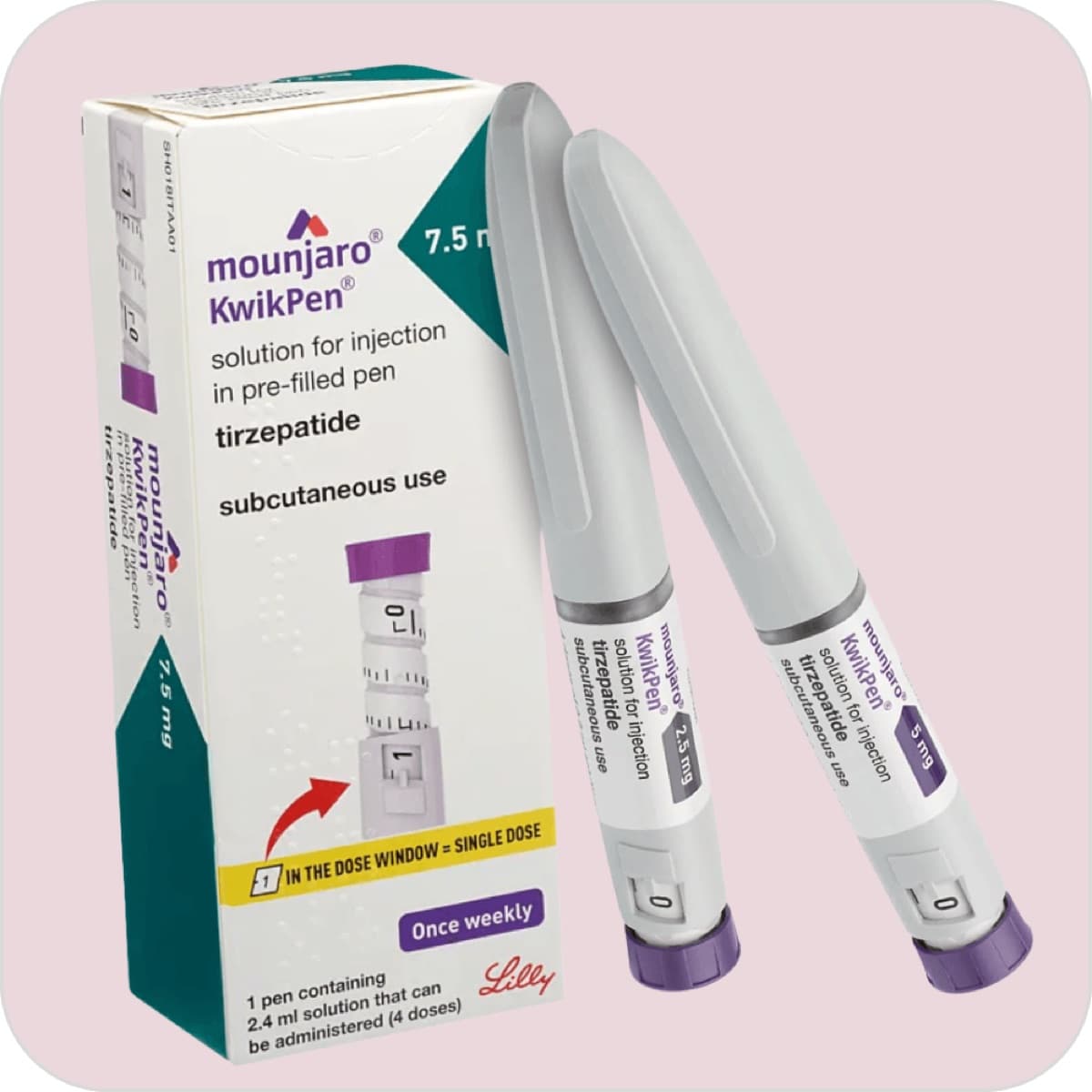
Who Qualifies for Mounjaro in Ireland?
An overview of the clinical criteria, safety checks, and medical assessment process doctors use to decide who is eligible for Mounjaro® (tirzepatide) in Ireland.
Read
What weight loss injections are available in Ireland?
A clear breakdown of the three main medical treatments for weight management in Ireland in 2025 and 2026
Read
Who can't take Mounjaro? Understanding the contraindications
A comprehensive guide to the absolute contraindications and other cautions that determine who cannot safely take Mounjaro® (tirzepatide) in Ireland.
ReadWho Qualifies for Mounjaro in Ireland?
An overview of the clinical criteria, safety checks, and medical assessment process doctors use to decide who is eligible for Mounjaro® (tirzepatide) in Ireland.
What weight loss injections are available in Ireland?
A clear breakdown of the three main medical treatments for weight management in Ireland in 2025 and 2026
Who can't take Mounjaro? Understanding the contraindications
A comprehensive guide to the absolute contraindications and other cautions that determine who cannot safely take Mounjaro® (tirzepatide) in Ireland.