



2 Jul 2026
Wegovy Side Effects in Ireland: A Complete Guide Before You Start
All medical information is reviewed by our clinical partners at MedicOnline.

Dr. Jahan Khan, CMO @ MedicOnline
IMC 409788
"What will it actually feel like?"
That is the question behind most of the searches about Wegovy side effects. Not the clinical trial statistics, but the real, day-to-day experience. Will I feel sick? Will I be able to work? Will it get better?
The honest answer is that most people do experience some side effects, particularly in the early weeks. But the equally honest answer is that for the vast majority of patients, those effects are mild, temporary, and manageable. In the landmark STEP 1 trial, fewer than 7% of people on Wegovy stopped treatment because of side effects.
This guide covers what the clinical evidence says, what patients commonly report, and what you can do to make the adjustment period easier.
How Wegovy Works (and Why Side Effects Happen)
Wegovy contains semaglutide, which mimics a natural gut hormone called GLP-1. This hormone tells your brain you are full, slows down how quickly food moves through your stomach, and reduces appetite.
The side effects are mostly a consequence of that slowing down. Your digestive system is used to working at a certain pace. When semaglutide changes that pace, your gut needs time to adjust. That adjustment is what you feel in the first few weeks.
The good news is that Wegovy uses a gradual dose increase specifically to give your body time to adapt. You do not start on the full dose. You build up over 16 weeks, which helps minimise how strong the side effects are at each step.
If you are weighing up whether Wegovy is right for you, our guide to Wegovy eligibility in Ireland covers the clinical criteria, costs, and how the process works.
The Titration Schedule
Understanding the dose schedule helps you understand when side effects are most likely to appear. Each increase can bring a brief adjustment period, usually lasting a few days to a week.
Weeks 1 - 4 · 0.25mg
Most people feel very little at this dose. Mild appetite reduction may start. Some notice nothing at all.
Weeks 5 - 8 · 0.5mg
First real dose increase. Nausea is most commonly reported here. Usually settles within a few days.
Weeks 9 - 12 · 1.0mg
Appetite suppression becomes more noticeable. GI effects may briefly return but tend to be milder than at 0.5mg.
Weeks 13 - 16 · 1.7mg
Stronger appetite reduction. If nausea returns, it is usually short-lived. Many patients feel they have found their rhythm by now.
Weeks 17+ · 2.4mg (maintenance)
Full therapeutic dose. Most side effects have settled. Ongoing effects are typically minimal for most people.
Your doctor may extend any stage if side effects are significant. The goal is always to reach the maintenance dose, but tolerability comes first.
Common Side Effects
The following are reported by more than 1 in 10 people taking Wegovy in clinical trials. They are expected, generally mild, and tend to improve with time.
Nausea
The most talked-about side effect, and for good reason. It is the one most people notice first, typically appearing within a day or two of a dose increase. For most patients it feels like mild queasiness rather than the kind of nausea that stops you functioning. It usually peaks in the first two to three days and fades within a week.
What helps: eat smaller portions, eat slowly, avoid greasy or heavy food, stick to bland options on the days after your injection, and sip water steadily through the day rather than drinking large amounts at once. Some people find ginger tea or flat 7Up settles things. Timing your injection for Friday evening means the worst of it falls on the weekend if that suits your schedule.
Diarrhoea
Loose stools are common in the first few weeks, particularly around dose changes. This is your gut adjusting to the change in motility. It usually resolves without needing treatment.
What helps: stay hydrated, use Dioralyte if needed (available over the counter in any Irish pharmacy), ease back on high-fibre foods temporarily, and stick to plain, easily digestible meals. Rice, toast, banana, and boiled potatoes are reliable standbys.
If diarrhoea is persistent, severe, or contains blood, contact your doctor.
Constipation
The flip side of slower digestion. Some patients swing between the two in the early weeks before things settle. Constipation can be more persistent than nausea for some people, lasting beyond the initial adjustment period.
What helps: water is the single most important thing here. Aim for 1.5 to 2 litres a day. Porridge, wholegrain bread, fruit, and vegetables all help keep things moving. A daily walk does more than you might expect. If dietary changes are not enough, Laxido (macrogol) is available over the counter from your pharmacist and is safe to use alongside Wegovy.
Reduced Appetite
This is the intended effect, but it can feel strange at first. Some patients describe it as simply forgetting to eat, or feeling satisfied after a few bites. The danger is not the reduced appetite itself but the risk of not eating enough protein to protect muscle mass during weight loss.
Even when you are not hungry, try to eat regular small meals with a protein source at each one - eggs, yoghurt, fish, chicken, beans. Think of it as fuelling your body rather than eating for pleasure. If you are finding it difficult to get enough food in, that is exactly what our dietitian support is there for.
Headache
Reported by some patients in the first week or two, often related to changes in eating patterns or mild dehydration. Usually resolves with paracetamol, adequate water intake, and regular meals.
Fatigue
Tiredness in the early weeks is fairly common and typically linked to reduced calorie intake rather than the medication itself. If you are eating significantly less than before, your body needs time to adapt. Prioritise sleep, stay hydrated, eat enough protein, and keep activity gentle until your energy stabilises.
Less Common Side Effects
These affect fewer than 1 in 10 people but are worth knowing about.
Heartburn and reflux can occur because food sits in the stomach longer. Avoid eating close to bedtime, prop yourself up if reflux is worse at night, and cut back on citrus, tomato-based foods, and carbonated drinks. Your pharmacist can recommend an over-the-counter antacid if needed.
Bloating and gas is related to the slower transit of food. Eating slowly, avoiding fizzy drinks, and reducing portion sizes all help.
Injection site reactions such as mild redness, itching, or bruising are occasionally reported. Rotating between injection sites (abdomen, thigh, upper arm) reduces the likelihood.
Dizziness is uncommon but can happen, particularly if blood sugar drops or you are not eating enough. Regular meals and adequate hydration usually prevent this.
Changes in taste are reported by a small number of patients. Foods may taste different or less appealing for a period. This is usually temporary.
When to Contact Your Doctor
Most side effects are manageable at home. But there are a small number of situations where you should get in touch with your doctor or clinical team promptly.
Seek medical advice if you experience:
- Severe stomach pain that does not go away, especially if it spreads to your back (this could indicate pancreatitis, which is rare but serious)
- Persistent vomiting where you cannot keep fluids down for more than 24 hours
- Signs of a severe allergic reaction: difficulty breathing, swelling of the face, lips, or throat, rapid heartbeat
- Signs of dehydration: very dark urine, dizziness, confusion, dry mouth that does not improve with drinking
- Symptoms of low blood sugar if you are also taking insulin or a sulphonylurea for diabetes
- Any changes in vision
These are rare. But knowing what to look for means you can act quickly if something does not feel right.
How Long Do Side Effects Last?
The pattern is predictable and that is reassuring. Most patients find that the first dose increase (from 0.25mg to 0.5mg at week 5) is the most noticeable. Each subsequent increase may bring a brief return of symptoms, but typically milder and shorter than before.
By the time most patients reach the 2.4mg maintenance dose around week 17, side effects have either resolved or reduced to a level that does not significantly affect daily life. Some patients find mild constipation or occasional reflux persists, but these are manageable with the dietary adjustments described above.
The important thing is not to suffer in silence. If side effects are bothering you, talk to your clinical team. At Bua, our doctors can adjust the pace of your dose escalation, and our dietitians can help you adapt what and how you are eating to reduce discomfort. That is what ongoing clinical support is for.
Wegovy vs Mounjaro: Are the Side Effects Different?
Both medications cause similar digestive side effects because they both act on the GLP-1 pathway. Mounjaro (tirzepatide) additionally activates a second hormone receptor (GIP), which can produce a slightly different side-effect profile for some patients.
In practice, the experience is broadly similar. Nausea, constipation, and reduced appetite are the common themes for both. Some patients tolerate one better than the other, which is one reason your doctor may recommend trying an alternative if your current treatment is not working well for you.
For a full clinical comparison, see our guide to Wegovy vs Mounjaro in Ireland.
Who Should Not Take Wegovy
Wegovy is not suitable for everyone. Your doctor will screen for contraindications during your assessment, but you should be aware of the main ones:
- A personal or family history of medullary thyroid carcinoma (MTC) or Multiple Endocrine Neoplasia syndrome type 2 (MEN 2)
- A history of pancreatitis
- A known allergy to semaglutide or any of the ingredients in Wegovy
- Pregnancy, planned pregnancy, or breastfeeding
If any of these apply to you, your doctor will discuss alternative options. For a full breakdown of what makes someone eligible, see our guide to Wegovy eligibility in Ireland.
Ready to Find Out If Wegovy Could Work for You?
Side effects are a real part of starting treatment, but for most people they are a temporary hurdle rather than a lasting problem. Understanding what to expect makes the first few weeks significantly easier to navigate.
If you would like to explore whether Wegovy is suitable for you, you can check your eligibility online in under 4 minutes. Eligibility is determined by an IMC-registered doctor based on your medical history, and a prescription is not guaranteed.
References
- Wilding, J. P. H., et al. (2021). Once-Weekly Semaglutide in Adults with Overweight or Obesity (STEP 1). New England Journal of Medicine, 384(11), 989-1002.
- European Medicines Agency (EMA). Wegovy (Semaglutide): EPAR.
- Rubino, D., et al. (2021). Effect of Continued Weekly Subcutaneous Semaglutide vs Placebo on Weight Loss Maintenance (STEP 4). JAMA, 325(14), 1414-1425.
Related Blogs
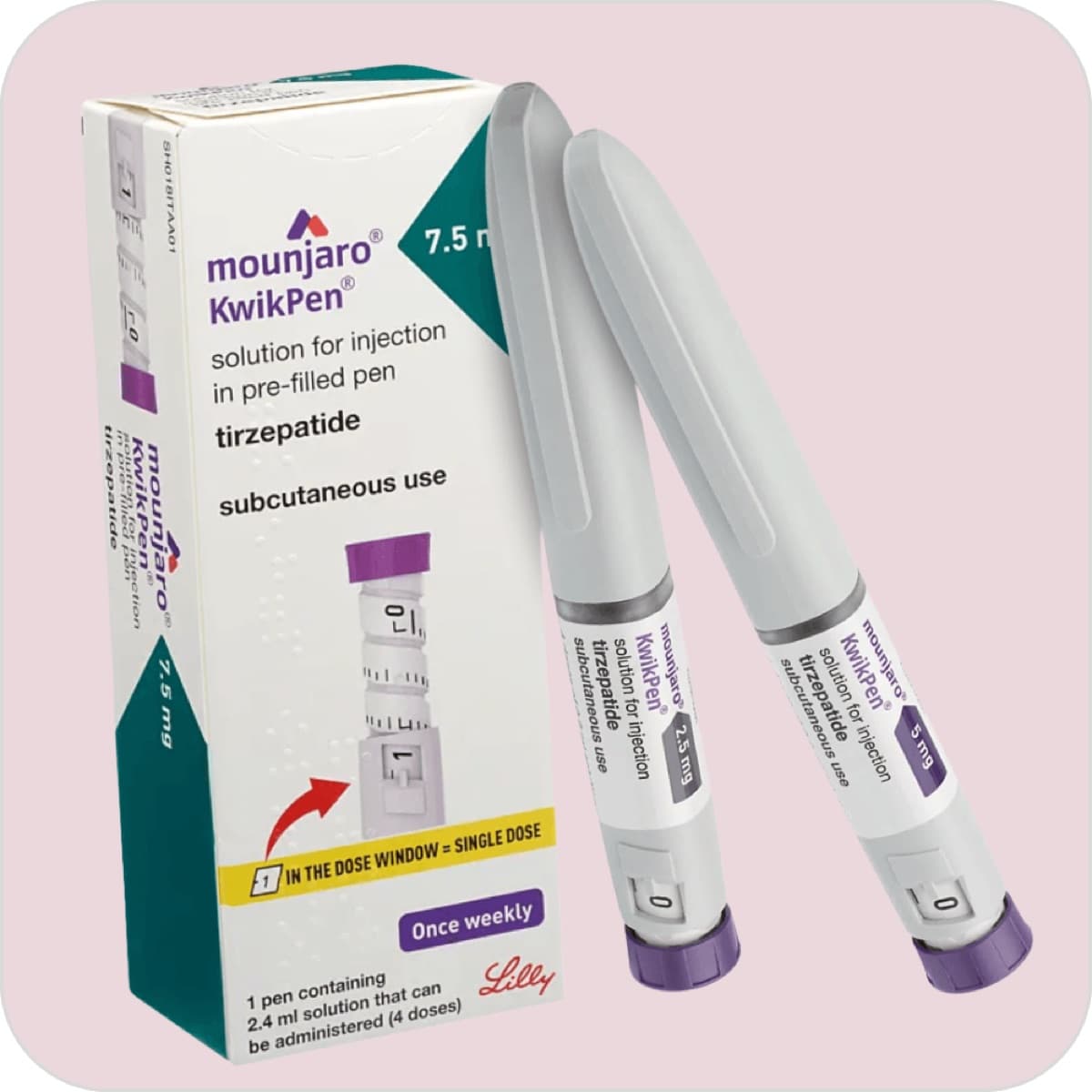
Who Qualifies for Mounjaro in Ireland?
An overview of the clinical criteria, safety checks, and medical assessment process doctors use to decide who is eligible for Mounjaro® (tirzepatide) in Ireland.
Read
What weight loss injections are available in Ireland?
A clear breakdown of the three main medical treatments for weight management in Ireland in 2025 and 2026
Read
Who can't take Mounjaro? Understanding the contraindications
A comprehensive guide to the absolute contraindications and other cautions that determine who cannot safely take Mounjaro® (tirzepatide) in Ireland.
ReadWho Qualifies for Mounjaro in Ireland?
An overview of the clinical criteria, safety checks, and medical assessment process doctors use to decide who is eligible for Mounjaro® (tirzepatide) in Ireland.
What weight loss injections are available in Ireland?
A clear breakdown of the three main medical treatments for weight management in Ireland in 2025 and 2026
Who can't take Mounjaro? Understanding the contraindications
A comprehensive guide to the absolute contraindications and other cautions that determine who cannot safely take Mounjaro® (tirzepatide) in Ireland.