


28 Apr 2026
What Happens When You Stop Taking Wegovy? Weight Regain, Tapering and Long-Term Management
All medical information is reviewed by our clinical partners at MedicOnline.

Dr. Jahan Khan, CMO @ MedicOnline
IMC 409788
It is one of the most important questions anyone starting a GLP-1 medication should ask - and one of the least talked about. What actually happens to your body when you stop taking Wegovy? The science is clear, and it is worth understanding before you begin.
Wegovy (semaglutide) has transformed weight management for thousands of people in Ireland and around the world. The clinical results are genuinely impressive - trials show patients losing 15% or more of their body weight over 68 weeks. But weight loss medications only work while you are taking them. Understanding what happens when treatment ends - and how to plan for long-term weight management - is just as important as understanding how the medication works in the first place.
This article explains the science of weight regain after stopping semaglutide, what the most recent clinical research tells us about timelines and rates, what tapering means and whether it helps, and how to think about long-term management as part of a sustainable approach to health.
Why Weight Returns After Stopping: The Biology
To understand weight regain, you first need to understand why obesity is classified by the World Health Organisation as a chronic, progressive, relapsing disease - not a temporary condition that can be fixed and considered done.
Your body has powerful biological systems designed to defend your weight. When you lose weight - whether through diet, exercise, or medication - the body responds with compensatory mechanisms: hunger hormones increase, your resting metabolic rate slows, and the brain intensifies appetite signals in an attempt to restore the lost weight. These are not signs of personal failure - they are deeply embedded biological responses.
What semaglutide does is pharmacologically override many of these signals. By activating GLP-1 receptors in the brain and gut, it suppresses appetite, reduces food noise, and slows gastric emptying. When the medication is stopped, these effects end - and the underlying biological drivers of excess weight reassert themselves.
What the Evidence Says: Timelines and Rates
The data on weight regain after stopping GLP-1 medications is now substantial - and the picture it paints is consistent.
The STEP 1 trial extension was among the first major studies to directly measure what happens after semaglutide is withdrawn. Participants who had lost an average of 17.3% of their body weight over 68 weeks of treatment regained approximately two-thirds of that lost weight within 52 weeks of stopping - despite continuing lifestyle intervention throughout.
A landmark BMJ meta-analysis in 2026 (37 studies; 9,341 adults) reported average monthly regain after stopping semaglutide or tirzepatide of 0.8 kg, with estimated time to return to starting weight of around 18 months.
A further eClinicalMedicine (The Lancet) meta-analysis found stopping GLP-1 receptor agonists was associated with a mean weight gain of 5.63 kg and worsening HbA1c, blood pressure, waist circumference, and fasting glucose.
The consistent message: benefits are real and meaningful, but they are tied to continued treatment. Stopping is not neutral, so planning matters.
Why Stopping Suddenly Is Not Recommended
There is no clinical requirement to taper semaglutide in the way that applies to some medications such as steroids or antidepressants. Semaglutide does not cause physical dependency or withdrawal symptoms in the medical sense.
However, stopping abruptly carries practical and physiological consequences that make a planned, gradual approach preferable wherever possible. Appetite often rebounds sharply and many patients describe a rapid return of food noise and cravings.
Clinicians increasingly advocate dose tapering over several weeks. European obesity congress data has suggested that gradual reduction to zero with concurrent diet and exercise coaching can improve short-term post-stop stability.
What a Tapering Protocol Can Look Like
There is currently no universally agreed taper protocol, and manufacturers do not provide one because semaglutide is designed as long-term treatment. Any tapering plan should be agreed with your prescribing doctor. Based on obesity medicine practice, a common approach is:
- Reduce from 2.4 mg to 1.7 mg for 4-6 weeks, monitoring appetite return and early regain.
- Step down to 1.0 mg for a further 4-6 weeks with clinical review.
- Reduce to 0.5 mg with continued monitoring for stability.
- Discontinue only if stability is maintained; some patients may need to restart.
Never stop or adjust treatment without medical supervision.
Building Habits Beyond Medication
While long-term treatment is often the most effective strategy for maintaining weight loss, time on medication is also the best opportunity to build practical habits that provide a buffer if treatment is reduced or stopped.
Using the appetite suppression window productively - sustainable eating patterns, movement habits, and behaviour supports - gives patients the strongest foundation. Combined medical and lifestyle support is more protective than medication alone.
Ready to get started with Bua?
With Bua, you're supported by a specialist, doctor-led weight management service from day one. Here's how the process works:
Complete a secure online assessment with your medical history, goals, and weight-related health context.
Have your case reviewed by an IMC-registered doctor from our clinical partners at MedicOnline.
Agree a personalised treatment and long-term follow-up plan, including ongoing clinical supervision.
Frequently Asked Questions
Related reading: Is Wegovy Safe? and Who Qualifies for Wegovy in Ireland?.
Sources and References
- 1. STEP 1 extension: pmc.ncbi.nlm.nih.gov/articles/PMC9542252
- 2. BMJ 2026 meta-analysis: pmc.ncbi.nlm.nih.gov/articles/PMC12776922
- 3. eClinicalMedicine (The Lancet): PIIS2589-5370(25)00614-5
- 4. EASO 2024 tapering conference data and obesity medicine literature.
Related Blogs
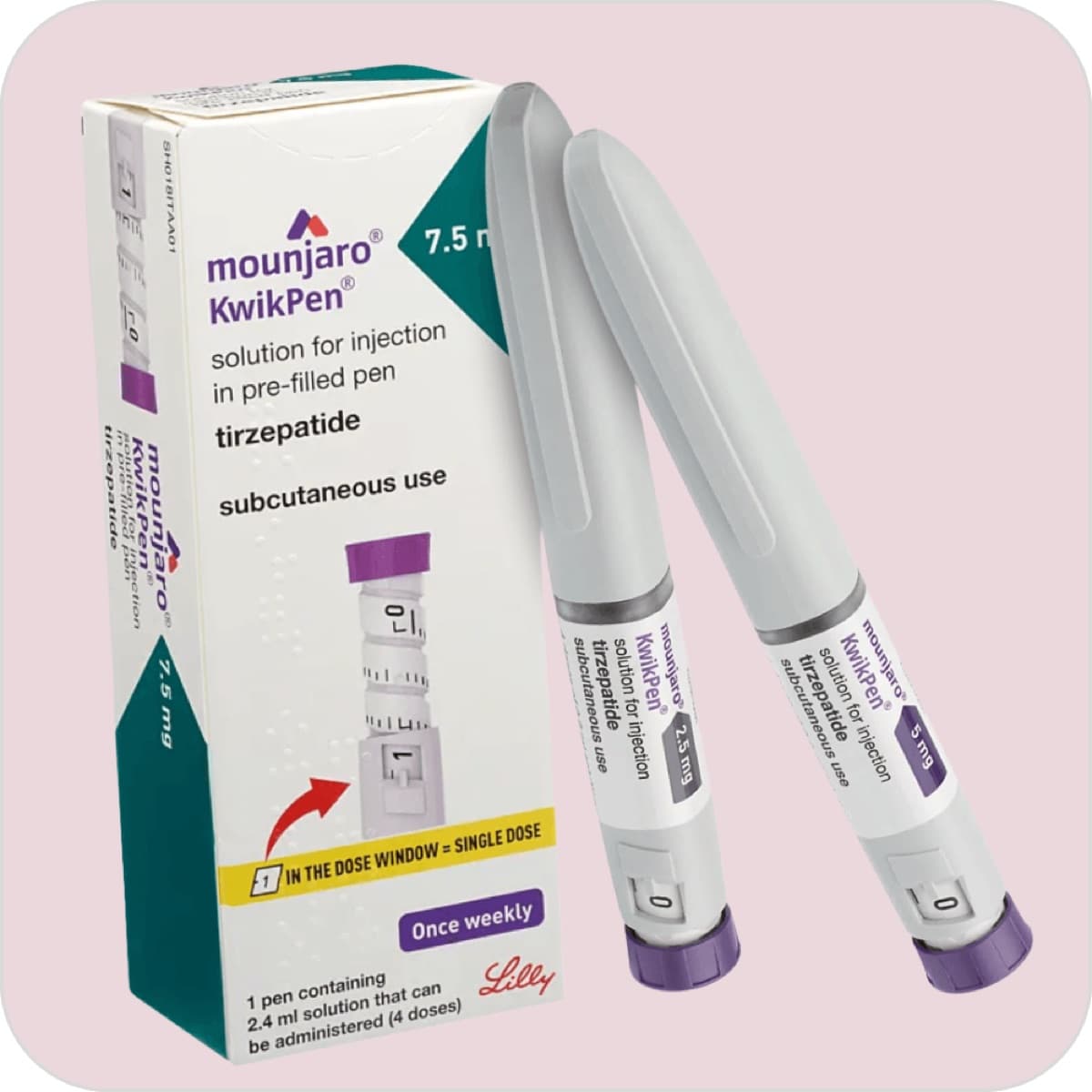
Who Qualifies for Mounjaro in Ireland?
An overview of the clinical criteria, safety checks, and medical assessment process doctors use to decide who is eligible for Mounjaro® (tirzepatide) in Ireland.
Read
What weight loss injections are available in Ireland?
A clear breakdown of the three main medical treatments for weight management in Ireland in 2025 and 2026
Read
Who can't take Mounjaro? Understanding the contraindications
A comprehensive guide to the absolute contraindications and other cautions that determine who cannot safely take Mounjaro® (tirzepatide) in Ireland.
ReadWho Qualifies for Mounjaro in Ireland?
An overview of the clinical criteria, safety checks, and medical assessment process doctors use to decide who is eligible for Mounjaro® (tirzepatide) in Ireland.
What weight loss injections are available in Ireland?
A clear breakdown of the three main medical treatments for weight management in Ireland in 2025 and 2026
Who can't take Mounjaro? Understanding the contraindications
A comprehensive guide to the absolute contraindications and other cautions that determine who cannot safely take Mounjaro® (tirzepatide) in Ireland.